.jpg) 21 Oct
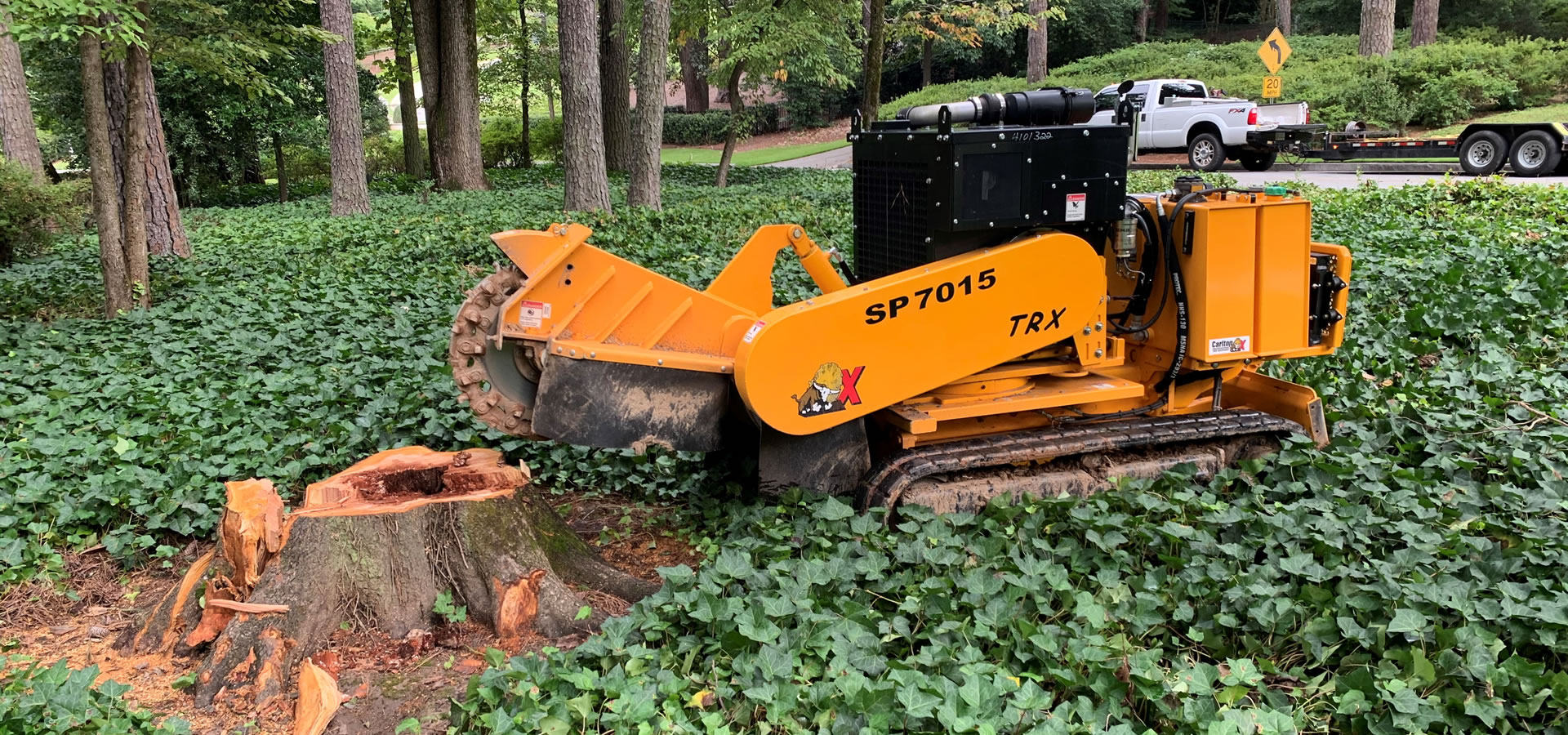
When you remove a hazardous tree on your property, the job is not yet done if the stump is not removed. Stump grinding in Alpharetta, GA offers an efficient and minimally invasive option for getting rid of the wood detracting from your property’s overall appeal. However, grinding only deals with wood aboveground and leaves the root system intact. This begs the question: what happens to the roots after stump grinding?
At Southern Star Stump, we hear this question from many curious residential and commercial clients interested in stump removal. Whether you recently cut down a tree or you have an old stump on your property, learning about the effects of stump grinding on tree roots can help you make informed decisions.
Many property owners often combine tree and stump removal services because they don’t want any remnants of a hazardous or old tree in their yards. Even if the wood aboveground disappears, the majority of the roots remains intact underground. So, what really happens to tree roots after stump grinding?
Nutrients and water. play a crucial role in helping root systems thrive. However, they also need sunlight, which they can only receive through photosynthesis in the leaves. Once you cut down a tree and restrict access to the roots underground, they stop growing and eventually decay. This natural process releases nutrients in the soil, which enhance then overall quality of your yard. With that said, you may notice your backyard looking lush, even though some minor soil settling may occur.
Tree death and decay don't happen overnight. In fact, it could take months or even years to completely break down and decay. As a property owner, figuring out how tree roots survive after removal comes down to a few crucial components.
A mature tree is likely to have more extensive roots than a newly planted one. Structural roots can become thick over time, taking longer to break down after the wood aboveground is ground into small chips. With this in mind, it may be ideal to consider complete tree and stump removal before it is too late. Additionally, the type of tree also impacts the decomposition timelines, as hardwood has more resilient roots.
If you want roots to decay quickly after stump grinding, hire a tree service provider to aerate the soil. Compacted soil restricts airflow, which discourages bacterial activity required for decomposition. In addition, compacted soil reduces the amount of moisture within the soil required for root decay. A tree service provider can account for the soil condition on your property and determine the best course of action to speed up root system breakdown.
Do you live in an area that receives plenty of rain and warm temperatures? If so, underground roots should break down faster than those in drier and cooler regions. You can try to accelerate the decomposition process by keeping the soil moist, though considering the impact of overwatering on surrounding vegetation is essential. Nothing is more frustrating than destroying your landscape while trying to accelerate tree root decay.
Tree roots don’t just die after stump grinding; they also release essential nutrients back into the soil to support healthier vegetation. If you have an eyesore in your yard following tree removal, grinding it down quickly is the best course of action. Contact Southern Star Stump to schedule a consultation with our experts and reclaim valuable yard space without compromising the quality of your property.

.jpg)
.jpg)