.jpg) 07 Apr
07 Apr
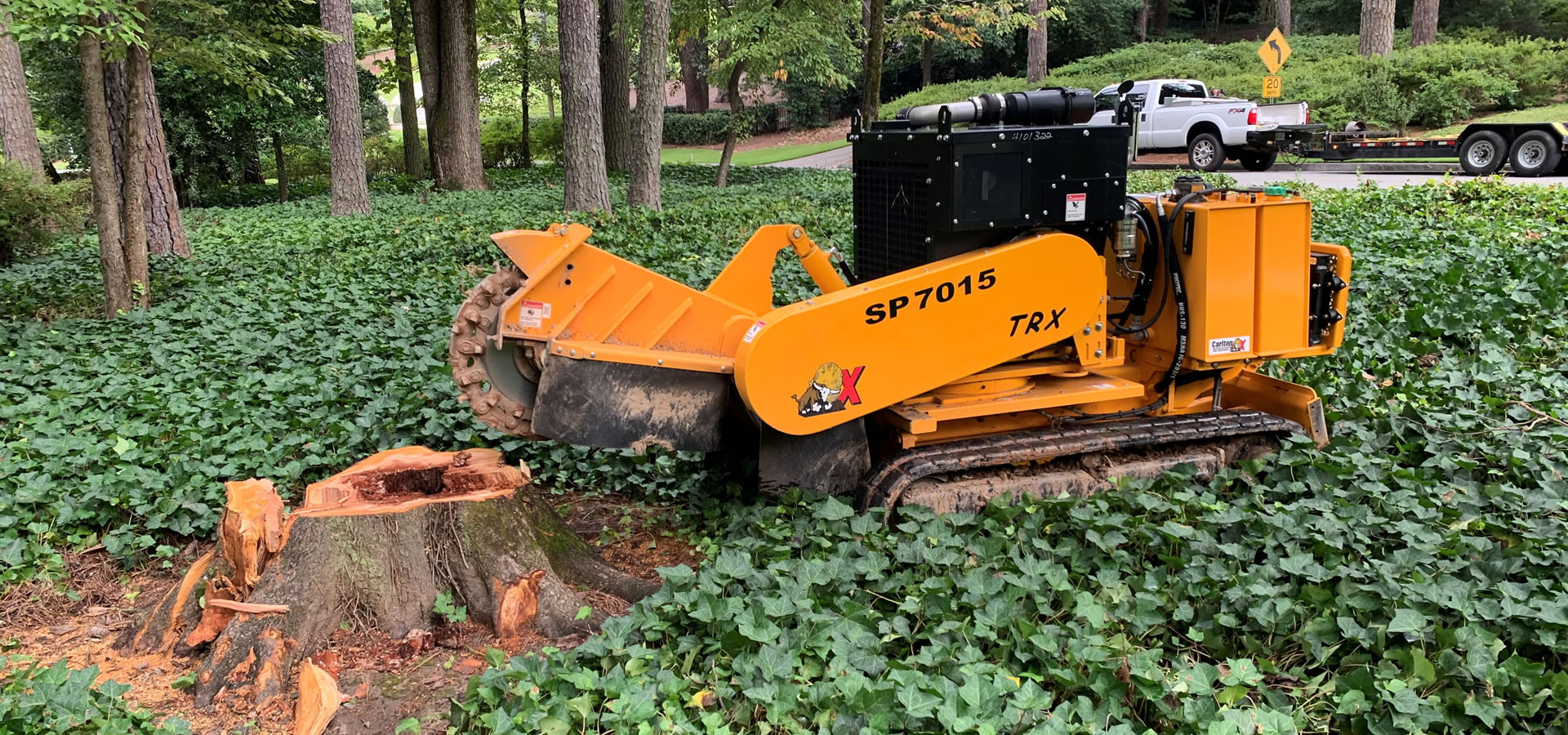
When you cut a tree in your yard, it may seem like the end of it. However, many tree species can regrow from what’s left behind, posing risks to your home and loved ones down the line. A tree stump holds enough living tissue and stored energy to produce new shoots, hence the need for effective stump removal. At Southern Star Stump, we understand the potential hazards idle stumps pose, especially if left unattended for a long time. Our trained and equipped team of experts provides comprehensive stump removal services tailored to your specific needs. Whether you need stump grinding to minimize disruption or a complete removal to ease future landscaping tasks, we have you covered.
Stumps usually regrow if parts of the vascular system remain alive. The cambium layer beneath the bark can support new growth if it is healthy. When you cut down a tree, energy stored in the roots fuels the growth of buds until the leaves produce food through photosynthesis. With this in mind, familiarizing yourself with species that leave behind an active cambium layer can make a big difference. These often include maples and willows, as they regrow easily due to the lack of dormant buds in the stump.
On the other hand, species that rarely grow after tree removal include ash and oaks. The roots often decompose under ideal conditions, reducing the success rate of new growth. If you are looking to cut down a tree on your property, identify the species to determine if stump grinding or complete removal is ideal.
As mentioned, certain species are more likely to regrow than others. This is particularly true for stumps from living trees. If you are unsure whether a stump in your yard will regrow, scrape the bark lightly to see if the inner layer is green and moist. This goes a long way to determine if a stump is alive and capable of regrowth. Additionally, buds or shoots growing around the base, or cracks and soft decay, indicate the stump is dying. In such cases, a complete stump removal in Atlanta, GA is necessary to prevent hazardous scenarios down the line.
After cutting a tree, the stumps can regrow after four to eight weeks. Some root suckers can even emerge after a year, prompting immediate attention. It is important to note that the first growth wave is the strongest, hence the need for timely stump removal to get ahead of potential problems.
In reality, tree stumps can take 3-10 years to fully decompose, depending on wood type, moisture, and climate. This means that you can have an idle stump on your property for many years to come. Although stumps rarely require immediate intervention, fungi, moisture, insects, and soil contact can speed up wood breakdown.
In addition, you can also accelerate the process by drilling holes into the stump, covering it with soil, keeping it moist, or using compost to encourage decay organisms. This process usually takes longer than expected, as some tree species can break down in several months or even years.
The most effective way to prevent regrowth is to kill the roots, which can be done through proven methods like applying herbicides or using stump killers like Epsom salt. If you want quick results, then a full stump removal may be the best solution. Contact Southern Star Stump to book an appointment with our experts and enjoy a smooth process that restores the aesthetics, safety, and functionality of your outdoor spaces.