 17 Dec
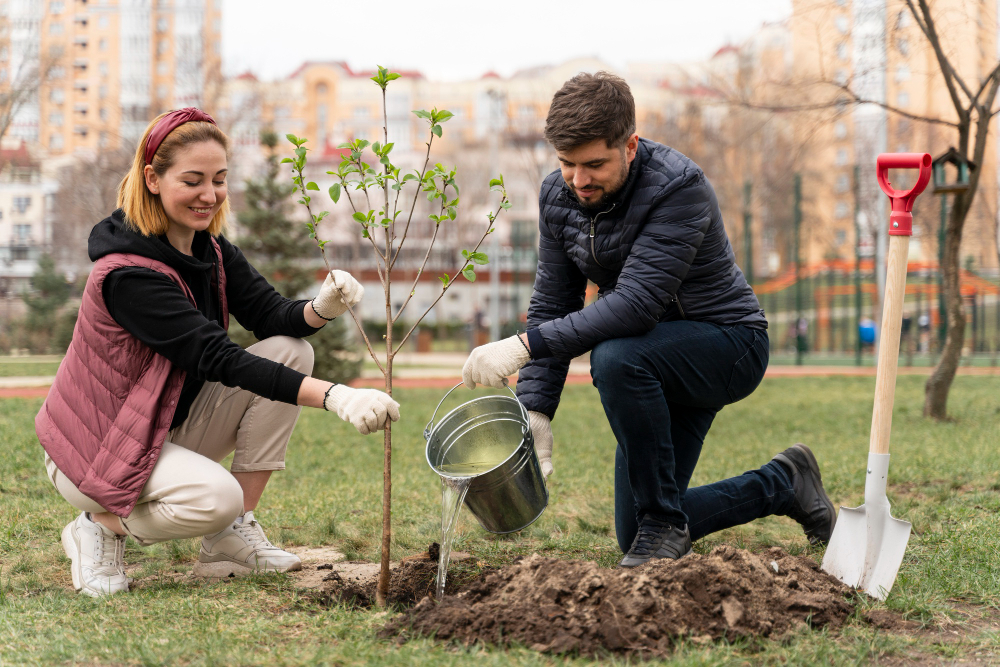
Planting new trees is a great way to enhance the beauty of your landscape and the overall quality of the environment. From providing shade in the summer to shielding indoor spaces against winter winds, the advantages of healthy trees cannot be overstated. If you recently cut a tree in your backyard for whatever reason, remove the eyesore left behind before planting a new tree. At Southern Star Stump, we provide comprehensive tree removal and stump grinding services, reclaiming your outdoor spaces without risking yard damage and costly restorations.
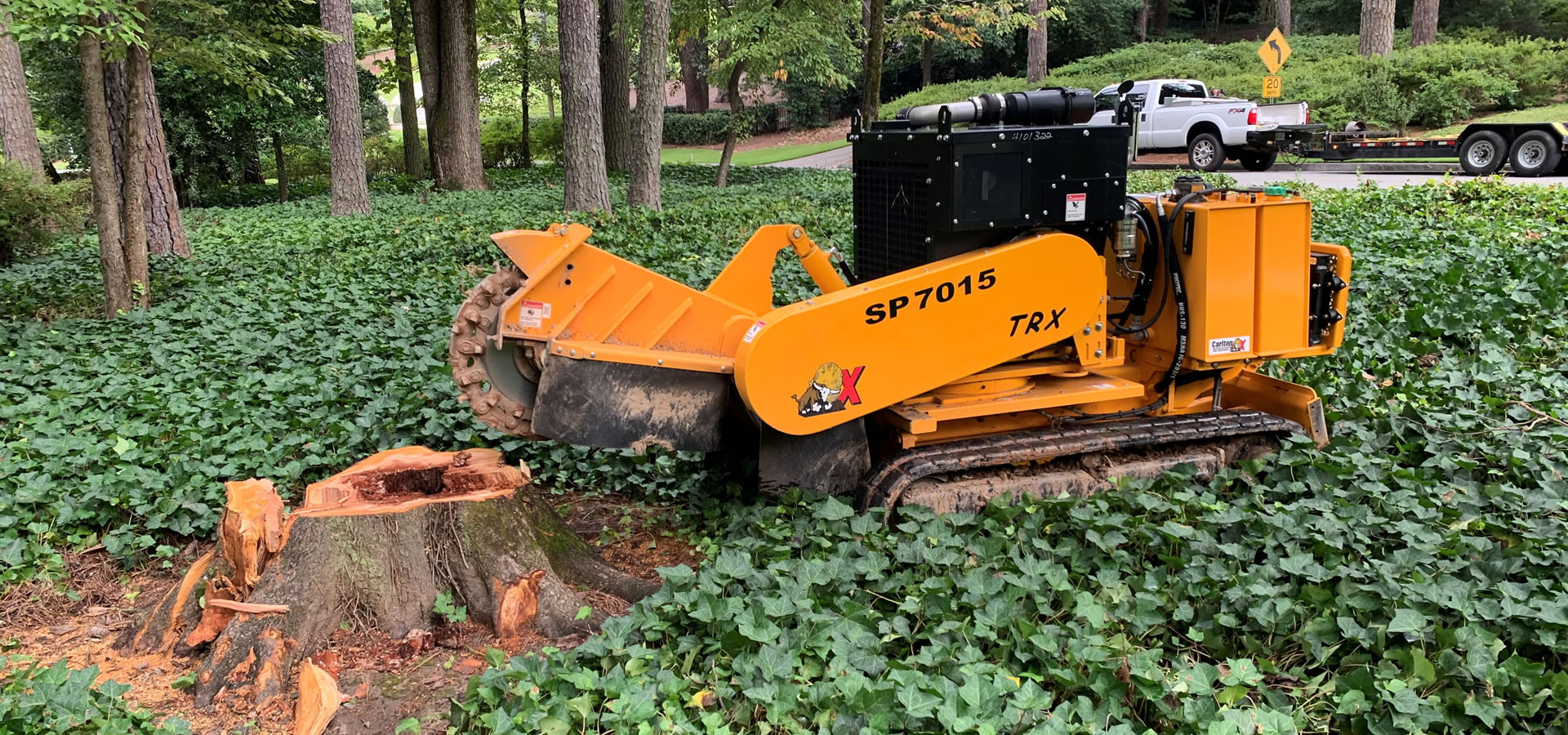
Before planting a new tree where the old stump was, it's essential to get rid of the stump. Stump removal is a crucial process that involves removing the trunk after cutting down a tree. This can be achieved by uprooting the entire stump with the attached roots or grinding it into tiny wood chips several inches below the ground.
A stump in your backyard may not raise concerns initially, but it poses serious hazards if left unattended. Stump removal in Lawrenceville, GA eliminates potential safety hazards and aesthetic issues, allowing you to grow a new tree or install other landscape features. Additionally, stump grinding prevents infestations and infections, often caused by decaying wood, which creates ideal conditions for breeding.
The answer is yes. A tree can grow where a stump has been pulled out or ground down. However, the success of your tree depends on numerous factors, hence the need to consult a certified arborist. A professional understands the regional conditions and knows the different species that can thrive with minimal care.
The roots left behind after stump grinding are also a crucial concern, as they can compete with the new tree for nutrients. If you have a landscaping project scheduled or are cutting down a potentially hazardous tree, the arborist will devise a tailored plan that involves stump grinding or removal based on the layout.
The general rule of thumb is to wait between six months and one year before planting a new tree where a stump stood. However, this can vary based on a range of factors, such as climate, tree species, stump size, and the cause for tree removal, like severe infections or infestations. This waiting period allows the wood to break down, the soil to stabilize and replenish nutrients, as well as reduce pest issues.
Remember, deteriorating wood burns up the nitrogen in the soil needed for growth and affects the development of new trees. Additionally, planting a tree immediately after grinding can pose serious risks due to soil compaction.
If you plan to plant a new tree right away, hire a professional arborist to ensure you navigate the process seamlessly and achieve the desired results. Eliminate the roots, as they pose serious risks over time, and add organic materials to enhance the soil. Once the removal site is ready, the arborist will select tree species that react better to your soil conditions.
Now that you know how long you should wait to plant a new tree, familiarizing yourself with the common problems these trees face is crucial. These issues include nitrogen deficiency, root competition, and soil compaction. When replacing a tree in your yard, assess the stump removal or grinding site to identify underlying issues that can compromise growth.
Contact Southern Star Stump to book an appointment with our experts and learn more about our stump services. We not only help you eliminate the eyesore on your property but also provide guidance to ensure your tree thrives.

.jpg)