 23 Dec
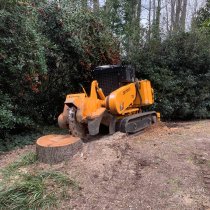
After removing old or potentially hazardous trees and stumps from your yard, you can still start a brand new ecosystem by replanting. However, homeowners often wonder whether a sapling can grow in the same site. The reality is that tree planting following emergency removals can be challenging, but not impossible. At Southern Star Stump, we consider vital factors like environmental impacts, soil conditions, and the available space to increase the chances for successful growth. Before breaking ground and planting a tree, familiarizing yourself with the proper preparation process is crucial. Here’s how you can help new trees thrive after stump grinding or removal in Buckhead, GA.
When you remove a tree from your garden or backyard, the soil remains different from the surrounding areas. These variations significantly impact the growth of new plants. An old tree on your property can change the soil around its roots by stripping crucial nutrients and water necessary for growth. With this in mind, planting a new tree after removing another requires careful consideration to mitigate growth problems or premature removal down the line. Additionally, the roots left behind after stump grinding can take up room for new roots, leading to overcrowding and weakness due to the high competition.
After successfully removing a tree, give the soil adequate time to cure. Even if you can excavate the entire eyesore left behind, it’s still challenging to remove all the roots. Also, microorganisms in the soil can break down roots to decompose them. If you plant a new tree without the dead wood decomposing fully, it can compete with these naturally occurring bacteria for resources like essential nutrients. This means saplings have a harder time growing, hence the need to wait for some time, typically a year, before replanting.
If you don’t want to waste time, you can choose a suitable spot near the stump removal site. This goes a long way to mitigate risks and allows the new tree to have sufficient space for roots to develop and thrive. Furthermore, your new trees don’t have to compete for vital nutrients with older roots left behind, and ensure direct access to sunlight and water. So, if you can choose another planting spot, you can ease stress and promote growth.
According to industry experts, new trees should be planted at least 5 feet apart from the removal site. However, this may not always be possible, especially for smaller yards. In such cases, waiting a year to plant a new tree may not be feasible. Remove all the organic material left from your stump, including wood, roots, chips, and debris. Although these materials will decompose and add nutrients to the soil, they can contribute to the growth of harmful microorganisms. Once you clear the trash, mix sawdust and wood chips with new soil to create a balanced environment.
The next tree you choose should be a species that thrives in your area. Some of the crucial considerations to help you decide include the environment, hole size, and proper planting technique to ensure strong and healthy growth. If you are unsure about the right replacement tree, consult a certified arborist for professional help. Professionals leverage extensive expertise and knowledge to guide you through the replanting process and recommend species that will thrive in the same spot as the removed stump.
Replanting can be overwhelming, especially if you don’t know where to start or who to call. Contact Southern Star Stump to learn more helpful tips for reclaiming your outdoor spaces. We provide comprehensive stump removal services tailored to your needs, keeping your home in pristine condition for years to come.
.jpg)