 25 Mar
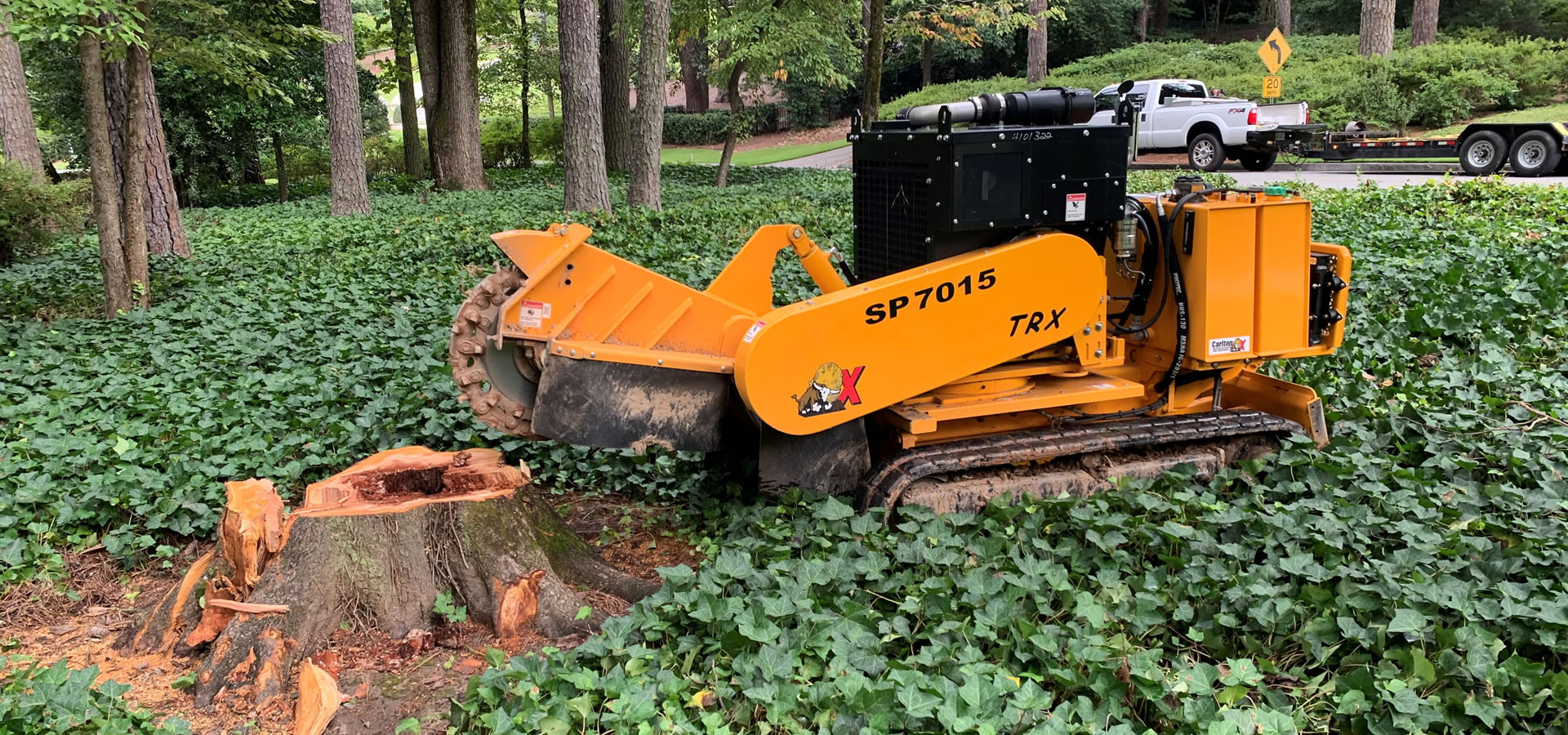
Did you have a stump in your backyard removed? If so, the job isn't complete until the site is restored to its pre-damage condition. The last thing you want is an unsightly hole in your backyard after stump grinding, detracting from your curb appeal and posing safety hazards. A common concern property owners have is whether grass will grow, especially if the roots are still underground. At Southern Star Stump, we understand the importance of planting grass after stump removal and work with you throughout the process to restore visual appeal and safety.
When it comes to stump removal, it is essential to remember that grass will grow back without your intervention. However, following the right steps is key to re-establishing grass. Here are the key steps to ensuring grass grows after stump grinding.
After stump grinding or removal, it's essential to clear out excess wood chips left behind by the grinder. Although old mulch may not raise concerns initially, it can inhibit grass growth if left unattended. With this in mind, replacing old mulch after stump grinding goes a long way to ensure grass grows and covers the space where the stump was.
Once you remove old mulch, it is essential to fill the hole left behind with quality soil. Stump removal experts recommend 4-6 inches of high-quality topsoil to provide a nutrient base, filling 1 inch higher than the surrounding area to allow for settling. Even if the stump grinding site is filled with soil, professional arborists can test the soil and ensure it contains vital nutrients to sustain grass growth.
Professional stump removal experts recommend high-nitrogen fertilizer to counteract the nitrogen-robbing decomposition process of any remaining wood residue. Before replanting grass, arborists will test the soil to determine if the nutrients available can sustain growth. If not, a tailored fertilization plan will be developed to support grass and nearby greenery.
Although grass can grow after stump removal, it is essential to seed the area with the same grass type as the rest of the lawn. If this is not feasible, use a “pro plugger” to move existing sod into the spot for a perfect match. It is essential to work with a reputable tree care company to ensure that the end result aligns with your vision.
Sometimes, grass can struggle to grow after stump grinding, prompting immediate intervention. With that said, working with a trusted tree service provider can help you restore your yard to pristine condition following a stump grinding exercise. Let’s explore the reasons grass doesn’t grow automatically to ensure you make informed decisions.
Stump grinding produces wooden chips or sawdust, which consume nitrogen in the soil as it breaks down. If your yard is “sterile” due to excess wooden chips, adding the appropriate fertilizer can make a big difference. Consult a trusted stump removal company for help to ensure you make the right decision for your yard.
A stump that is improperly grounded or is shallow often reaches 3-6 inches. If left unchecked, roots and wood can prevent grass roots from forming, obstructing growth. According to industry experts, stump grinding should reach 6-8 inches below ground-level. This goes a long way to ensure new grass can grow due to easy nutrient access and the ability to reach the desired depth.
Contact Southern Star Stump to book an appointment with our experts and ensure a seamless process that preserves the overall quality of your yard. We provide comprehensive stump removal services, ensuring your outdoor spaces remain in pristine condition.
.jpg)