 22 Jun
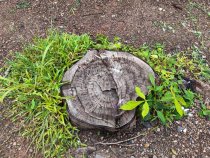
Although a stump may appear harmless after a tree has been cut down, you should know that appearance can be deceiving. This is because the stump can have a negative effect on the surrounding landscape over time.
Old and remnant stumps can affect the health and appearance of your outdoor landscape in varying ways such as soil quality decline and stunted plant growth. If you are going to make the right decisions about stump removal and landscape management then you need to understand the effects of stumps.
Cutting down a tree does not put an end to the life circle. Even after a tree is down, the residual stump and root system can keep on interacting with the soil. Overtime, the stump decomposes due to the actions of microorganisms which end up consuming nutrients from the soil during this process.
This leads to nutrient depletion making it more difficult for nearby vegetation (plants, shrubs, and young trees) to access critical nutrients.
The decomposition of a stump would always lead to the disruption of the surrounding soil conditions around it, and this affect moisture retention levels. In some cases, the decomposing roots establish pockets of uneven soil beneath the surface, deteriorating to settling or instability over time.
These alterations are bound to make it more difficult to initiate new landscaping projects, such as ornamental plants and trees within the same location.
Leaving behind old tree stumps is an invitation to insects and other pests who would come to feed on the decaying wood. From termites and beetles to ants, wood-boring insects are bound to convert the stump into a food source or habitat.
As time progresses, these pests would extend their presence to surrounding healthy trees and plants. More so, the fungal growth and diseases that occur in a decaying stump may also affect surrounding vegetation, leading to prolonged health issues within the landscape.
Plant a new tree directly where an old one once stood may sometimes be a mistake. This is because the old tree's root system and decaying wood can limit the growth of young trees, by suppressing their ability to extend root system within th subsoil.
More so, the decomposing material can disrupt soil structure and nutrient composition.
Thus, professionals like Southern Star Stump often advise property owners to plant a new tree a short distance away from the old stump location.
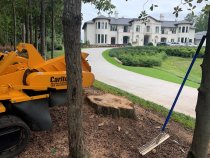
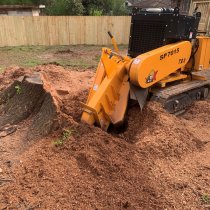
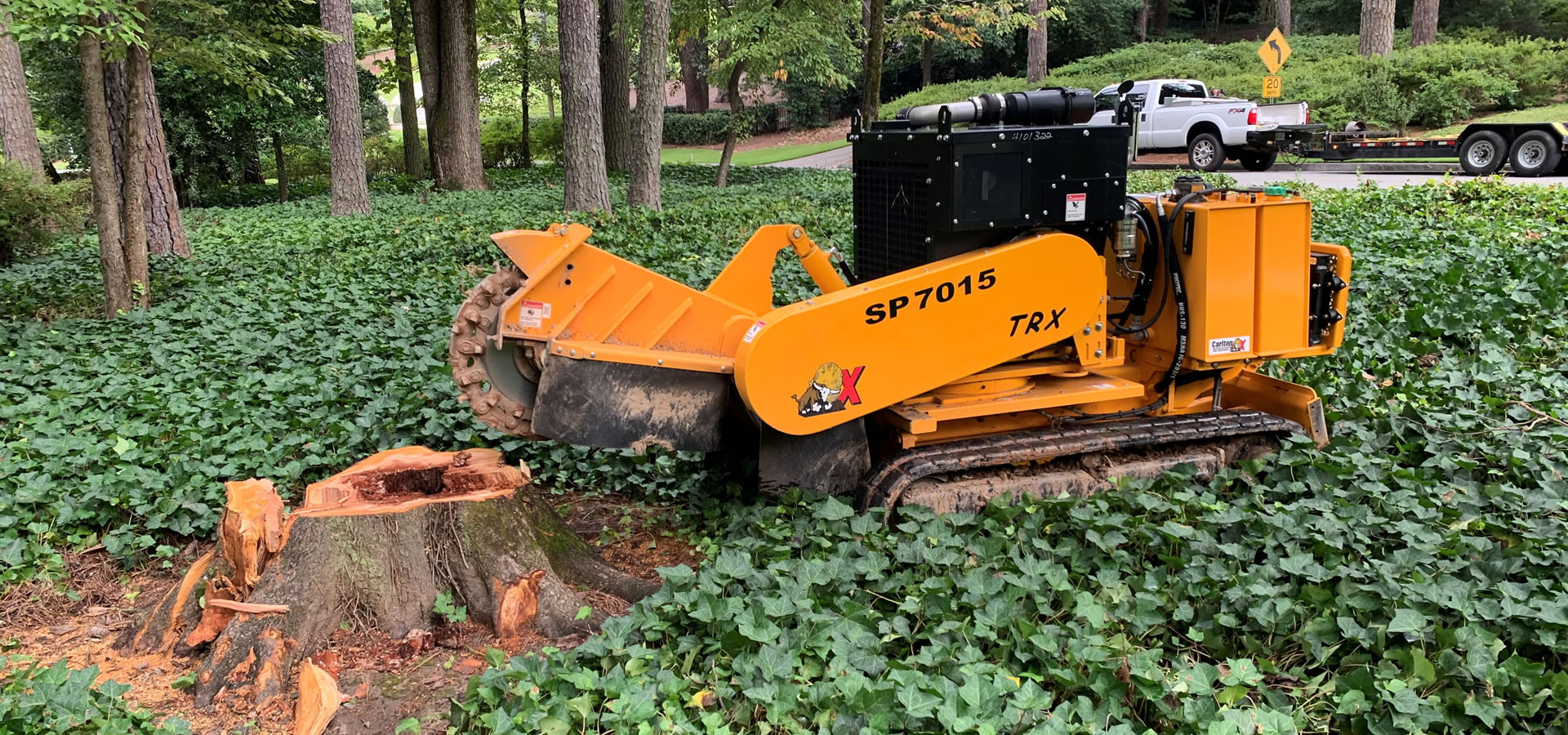
Stump grinding or stump removal will not only reduce the risks associated with old trees. However, it will help improve the overall health of the landscape within a property or neighborhood.
Stump grinding in Lawrenceville helps property owners and city councils to achieve attractive outdoor spaces in neighborhoods and public parks. By effectively removing the stump, surrounding trees have adequate access to nutrients and there is minimal pest activity associated with stump.
If you plan to plant new trees or establish a garden, contact Southern Star Stump. In the meantime, we will advise you to eliminate old stumps to enable a healthier and attractive landscape.